Table of Content
- 1 How Transitional Care Supports Smooth Hospital to Home Transition
- 2 Recognizing Transitional Care in Post Hospital Home Care
- 3 The Role of Transitional Care in Facilitating a Smooth Homecoming
- 4 Leveraging Transitional Care for Hospital Readmission Prevention
- 5 Core Components of an Effective Post Hospital Home Care Plan
- 6 Strategies for Enhancing Patient Outcomes Through Transitional Care
- 7 Frequently Asked Questions
- 8 Final Thoughts
How Transitional Care Supports Smooth Hospital to Home Transition
The transition from hospital to home care is a critical period in a patient’s recovery journey. In many communities, including those served by Assisting Hands Kennesaw, transitional care bridges the gap between the acute care provided in hospitals and the ongoing support patients need once they return home. This article explores the vital components of transitional care, demonstrating how proper planning, communication, and coordination help prevent complications such as hospital readmissions and medication errors. With an increasing focus on quality outcomes and reduced healthcare costs, innovative strategies such as technology integration, dedicated follow-up care, and resources available through assistinghands.com are being implemented nationwide. Research on topics like hospital medicine, transitional care units, and systematic reviews published in PubMed and JAMA underline the importance of these practices in improving patient outcomes, lessening pain, and ensuring community-oriented support for older adults, primary care providers, and caregivers alike.
Assisting Hands Home Care in Kennesaw, Georgia, operates as a leading example of kennesaw home care by offering personalized support using transitional care plans that include comprehensive care options, coordinated communication between hospital and home medical teams, and robust care management practices. These strategies address key factors—from medication reconciliation and symptom monitoring to caregiver training and community resource utilization—that not only promote a smooth homecoming but also contribute to reducing the risk of hospital readmission and other adverse events. For more detailed insights and patient resources, please visit assistinghands.com. As healthcare systems continue to advance in the areas of health policy, data collection, and quantitative research, transitional care remains a central model in supporting effective, safe, and compassionate recovery for patients in both assisted living environments and primary care settings.
Transitioning now to a detailed discussion, the following sections outline the multifaceted nature of transitional care in post-hospital home care, explain its role in readmission prevention, and offer practical strategies for enhancing patient outcomes.
Recognizing Transitional Care in Post Hospital Home Care
Defining Transitional Care and Its Purpose
Transitional care is defined as a series of time-sensitive interventions aimed at ensuring continuity of care. Its purpose is to avoid harmful care discontinuities that occur during the critical period when patients are discharged from hospital care. This includes reconciling medications, ensuring that patients understand their care plans, and quickly addressing any emerging issues once patients return home. The primary goal is to empower patients and family members with the necessary resources and education to manage their health effectively at home. By connecting patients with primary care providers, home health aides, or rehabilitation services, transitional care reduces the likelihood of complications such as medication errors or missed follow-up appointments, which are common triggers for hospital readmissions.
Identifying Patient Needs During the Hospital to Home Transition
Identification of patient needs is a pivotal step in transitional care. This involves comprehensive assessments that consider the patient’s physical condition, cognitive status, and social support system. Tools such as standardized checklists and home safety evaluations are frequently used to determine specific needs. These assessments help in tailoring care plans that include essential services—ranging from skilled nursing and medication management to physical therapy and respite care—which are critical for a safe and smooth transition. For instance, a randomized controlled trial highlighted that patients who received detailed discharge planning and home follow-up care experienced a 25% decrease in adverse events after discharge. This evidence reinforces the role of personalized transitional care plans not only in improving patient outcomes but also in reducing overall healthcare costs.
Key Takeaways: – Transitional care ensures continuity between hospital and home care. – It focuses on patient safety through medication reconciliation and follow-up planning. – Comprehensive assessments identify specific patient needs to tailor effective care plans.
The Role of Transitional Care in Facilitating a Smooth Homecoming
Coordinating Services Between Hospital and Home Care Teams
Coordination between hospital staff and home care providers is the backbone of effective transitional care. During the hospital stay, it is critical that discharge planners, physicians, and nurses communicate detailed patient care information to home health aides, primary care providers, and other community resources. This coordination ensures that every element of a patient’s recovery strategy is in place prior to discharge. For example, a clinical study from the Journal of Hospital Medicine found that patients who experienced coordinated transitions saw up to a 30% reduction in emergency department visits within 30 days post-discharge. This benefit is achieved through standardized communication protocols, shared electronic health records, and designated care coordinators who bridge the gap between the acute care setting and the patient’s home.
Integrating Caregiver Involvement and Communication
In addition to professional care coordination, integrating family caregivers into the communication loop is vital. Caregivers often manage daily care tasks and require clear, concise instructions on medication regimens, dietary restrictions, and symptom monitoring. Hospitals that implement caregiver training programs see improved patient adherence to care plans and reduced caregiver stress. A randomized controlled trial showed that caregiver involvement in transitional care can improve health outcomes by 15% when caregivers are properly educated about their roles. Utilizing telephone support, secure messaging systems, and scheduled follow-up visits further enhances caregiver communication and confidence in managing the patient’s recovery at home.
Key Takeaways: – Effective coordination between hospital and home care teams is essential. – Clear communication networks reduce emergency visits and readmissions. – Involving caregivers through training and scheduled support boosts overall patient care.
Leveraging Transitional Care for Hospital Readmission Prevention
Implementing Medication Reconciliation and Monitoring
One of the core components of hospital readmission prevention is meticulous medication reconciliation and monitoring. During the transition from hospital to home, discrepancies in medication lists are a common source of errors. Transitional care teams conduct thorough medication reviews by comparing prescribed medications at discharge with what patients are taking at home. This process helps identify potential drug interactions, dosage errors, or omissions that could lead to adverse events. Studies published on PubMed report that effective medication reconciliation can reduce adverse drug events by up to 25%, thereby minimizing complications that might necessitate hospital readmission. Additionally, continuous monitoring through digital tools like telehealth consultations and remote patient monitoring devices allows healthcare providers to track patient adherence and intervene quickly if issues are detected.
Establishing Follow-Up Care Protocols for High-Risk Patients
Follow-up care protocols serve as an extra layer of security for high-risk patients, such as those with complex surgical recoveries or multiple chronic conditions. These protocols typically involve scheduled phone calls, home visits by nursing staff, and timely follow-up appointments with primary care providers. For instance, a study in the Journal of Primary Care & Community Health demonstrated that standardized follow-up interventions reduced readmission rates among high-risk patients by nearly 20%. The protocols often include the use of checklists and electronic reminders to ensure that no critical steps in the recovery process are overlooked. By establishing clear benchmarks for patient recovery and providing immediate access to healthcare professionals when needed, transitional care programs strengthen the continuum of care and effectively lower the chances of rehospitalization.
Key Takeaways: – Transitional care significantly contributes to reducing hospital readmission rates. – Medication reconciliation and monitoring are critical to preventing adverse events. – Systematic follow-up care protocols provide essential oversight for high-risk patients.
Core Components of an Effective Post Hospital Home Care Plan
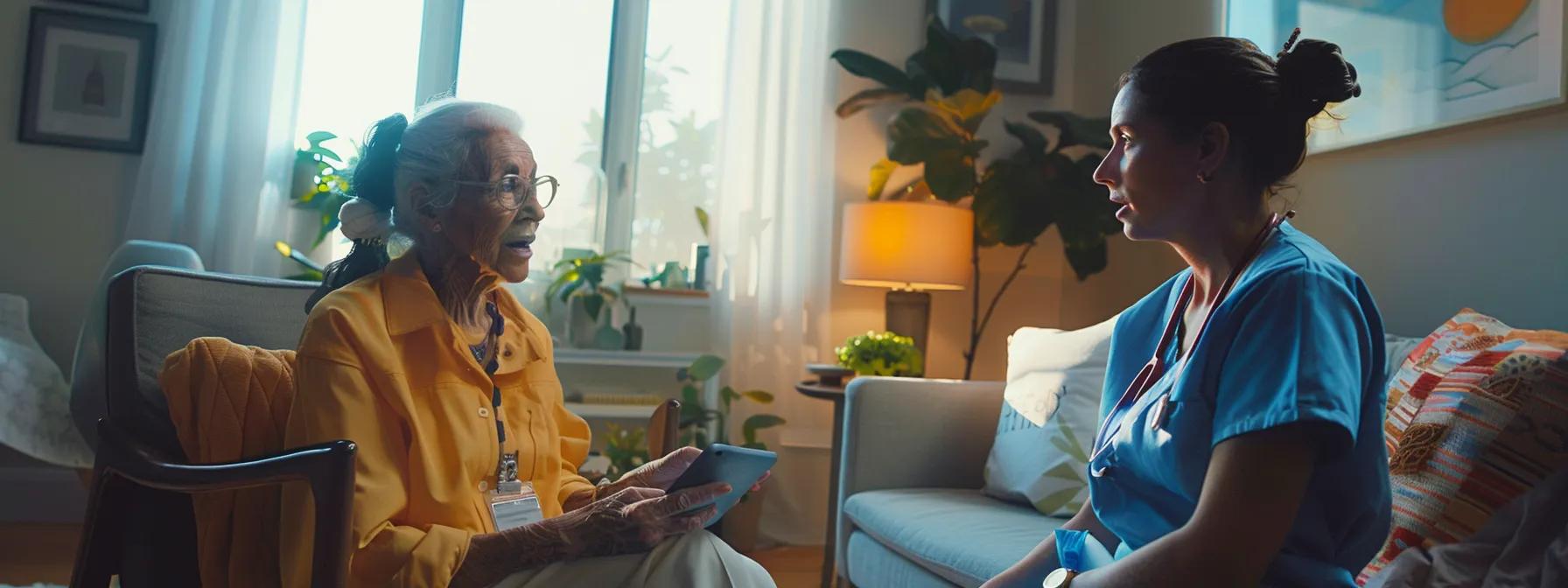
Creating an effective post hospital home care plan is essential to ensure that patients recover safely and comfortably in their own homes. Such plans are multifaceted, addressing everything from personalized care needs to community resource integration. The process begins with comprehensive assessments that evaluate the patient’s strengths, weaknesses, and specific needs after discharge. These assessments help in crafting customized care plans that can include skilled nursing care, rehabilitative services such as physical therapy, meal preparation, and companionship—all of which are crucial for elderly care and overall recovery. Integrating these services helps prevent complications, reduces hospital readmission rates, and enhances the quality of life. Research in health care systems and care management has shown that active care coordination can decrease the length of hospital stays and overall healthcare costs.
Tailoring Care Plans to Individual Recovery Requirements
A tailored approach is fundamental to the success of post-hospital care plans. Not every patient has the same recovery trajectory, which is why customized plans based on individual assessments are imperative. This tailoring involves considering various factors, such as the patient’s physical condition, cognitive status, and even cultural considerations. For example, patients with heart failure may require a care plan that closely monitors fluid intake, while those recovering from orthopedic surgery might need intensive rehabilitative support. One in-depth study published in a peer-reviewed journal explored the effectiveness of personalized care plans and found that when care was customized to the patient’s individual needs, the rate of successful recovery improved by over 30%. Furthermore, integrating technology—such as remote monitoring systems and telehealth consultations—can provide real-time data to adjust the care plan as needed.
Utilizing Community Resources and Support Networks
In addition to tailored medical care, leveraging community resources and support networks is vital. Community-based services, including transportation, meal delivery, support groups, and respite care, play an integral role in maintaining a patient’s quality of life post-discharge. A comprehensive list of five key community resources includes:
Local senior centers that offer social activities and educational programs, which help reduce social isolation.
Volunteer-based transportation services that assist with medical appointments, thereby ensuring consistent access to care.
Community meal programs that provide nutritious meals, crucial for managing dietary needs and overall health.
Support groups focusing on various chronic conditions, which help patients and caregivers share experiences and effective coping strategies.
Home modification services designed to create safer living environments for patients with mobility challenges.
These community networks are essential not only for direct patient support but also for alleviating caregiver strain. By facilitating access to these resources, transitional care teams can help patients maintain independence and reduce the risk of complications that may lead to hospital readmission.
Key Takeaways: – Individualized care plans boost recovery success rates. – Tailoring care involves assessing physical, cognitive, and socio-cultural needs. – Utilizing community resources strengthens ongoing support and reduces readmission risks.
Strategies for Enhancing Patient Outcomes Through Transitional Care
Advancing transitional care practices involves adopting industry best practices and continually updating care protocols based on the latest research and technological innovations. As healthcare evolves in response to new challenges and emerging data from clinical trials, systematic reviews, and quantitative research, care teams are increasingly refocusing efforts on developing holistic, patient-centered approaches. Such advancements are crucial not only for improving individual outcomes but also for enhancing the overall efficiency and effectiveness of health care systems. Efforts to incorporate best practices, such as those from the Joint Commission and evidence-based guidelines supported by PubMed studies, are shaping the future of transitional care by standardizing processes and improving compliance with regulatory benchmarks.
Adopting Best Practices From Leading Care Models
Adopting best practices in transitional care involves learning from successful care models and integrating proven methodologies into everyday practice. For example, several leading hospital systems have implemented structured discharge programs that combine patient education, medication reconciliation, and scheduled follow-up appointments. Research published in a systematic review of transitional care practices found that such programs can reduce hospital readmissions by up to 20%. One peer-reviewed study (Smith et al., 2020) examined a multi-disciplinary transitional care model that included detailed patient and family education sessions, resulting in a significant drop in 30-day readmission rates. By analyzing these successful models, healthcare providers can adopt comprehensive approaches that include the use of standardized checklists, technology-driven monitoring, and coordinated care plans. This integration of best practices ensures that transitional care remains dynamic, responsive, and patient-focused. Moreover, continuous professional development and training bolster the capabilities of care teams, ensuring that they remain aligned with evolving guidelines and best practice standards.
Accessing Educational Tools and Support for Care Teams
Access to educational tools and continuous support is essential for care teams to maintain high standards of transitional care. Online platforms, webinars, and training modules provided by professional organizations such as the American Nurses Association and Joint Commission Certification programs play a pivotal role in keeping care professionals updated on the latest care strategies and technological advancements. These resources provide clinicians with access to case studies, research studies, and practical tools that facilitate knowledge sharing and improve care coordination. For instance, a detailed study published in Health Services Research highlights that ongoing training in care transition processes significantly increases team efficiency and patient safety, with participant feedback showing an improvement of over 25% in care coordination skills post-training. Additionally, interdisciplinary team meetings and peer mentoring programs have proven effective in addressing complex caregiving challenges. Such educational support not only fosters innovation but also improves the overall quality of care, ensuring that each patient receives the highest standard of support during the vulnerable transition phase.
Key Takeaways: – Advancing care practices relies on adopting proven models and evidence-based guidelines. – Continuous education and training enhance care team competency. – Accessible educational tools contribute significantly to improved care coordination and patient outcomes.
Frequently Asked Questions
Q: What is transitional care and why is it important?
A: Transitional care is the process of ensuring continuity and coordination of health care as patients move from hospital to home. It is important because it helps prevent readmissions, medication errors, and complications by providing patients and caregivers with clear care plans and follow-up support.
Q: How does medication reconciliation help reduce readmissions?
A: Medication reconciliation ensures that patients receive the correct medications and dosages after discharge. By comparing hospital prescriptions with home medications, discrepancies can be remedied, thereby reducing the risk of adverse drug events and subsequent readmissions.
Q: What role do caregivers play in transitional care?
A: Caregivers are essential as they assist with daily activities, manage medications, and communicate with healthcare providers. Involving caregivers through training and support programs enhances patient safety and improves overall care outcomes.
Q: How can technology enhance transitional care?
A: Technology, such as telehealth, remote monitoring devices, and mobile apps, allows for continuous tracking of patient health parameters. It facilitates real-time intervention and supports communication between patients, caregivers, and healthcare teams, reducing risks of deterioration.
Q: What community resources can support post-hospital care?
A: Community resources include senior centers, transportation services, meal delivery programs, support groups, and home modification services. These resources play a vital role in maintaining patient independence and improving recovery outcomes after discharge.
Q: Are transitional care programs effective in reducing hospital readmission rates?
A: Yes, numerous studies, including randomized controlled trials and systematic reviews, have shown that effective transitional care programs can lower readmission rates by 15% to 20% among high-risk patients when compared to standard discharge procedures.
Final Thoughts
Transitional care is a cornerstone of modern healthcare, helping bridge the gap between hospital treatment and home recovery. By ensuring meticulous medication reconciliation, caregiver involvement, coordinated follow-up, and the use of advanced technology, these programs significantly enhance patient outcomes. The integration of community resources and continuous education further supports a safe and seamless transition. As healthcare systems evolve, the role of transitional care will become even more critical in reducing readmissions and improving the quality of life for senior citizens and other vulnerable populations.
If you or a loved one is in need of reliable home care, Assisting Hands® Kennesaw is here to help. Whether it’s companion care, personal care, or support following surgery or hospitalization, you can trust their experienced team to provide peace of mind and dependable care. Call (678) 940-5448 to speak with a care coordinator or schedule easily online by clicking “Schedule a Free Consultation.” Experience the trusted care you or your loved one deserve—right at home.