Table of Content
- 1 24-Hour in-Home Care for Elderly Parents: Peace of Mind for Kennesaw Families
- 2 Understanding When Your Elderly Parent Needs 24-Hour Home Care
- 3 Recognizing Signs Your Parent Needs Increased Support at Home
- 4 Assessing Daily Living Challenges for Aging Parents
- 5 The Importance of Overnight Senior Care in Kennesaw GA for Safety and Wellbeing
- 6 How to Know When a Parent Needs Home Care Beyond Family Capabilities
- 7 Evaluating Medical Conditions Requiring Continuous Supervision
- 8 Exploring Comprehensive 24 Hour Home Care Services in Cobb County
- 9 What Does Round-the-Clock in-Home Assistance Entail
- 10 Personal Care and Companionship in 24-Hour Support
- 11 Medication Management and Health Monitoring Around the Clock
- 12 Specialized Care for Conditions Like Dementia or Limited Mobility
- 13 Household Support and Meal Preparation Services
- 14 The Benefits of 24 Hour Home Care for Elderly Parents and Kennesaw Families
- 15 Navigating Options for Overnight Senior Care in Kennesaw GA
- 16 Differentiating Between Overnight Care and Live-in Care Models
- 17 Key Services Provided During Overnight in-Home Care
- 18 Finding Qualified and Compassionate Overnight Caregivers in Kennesaw
- 19 Creating a Smooth Transition to Overnight Assistance for Seniors
- 20 Cost Considerations for Overnight Care Services in Cobb County
- 21 The Value of Aging in Place Services Near Me for Kennesaw Residents
- 22 Defining Aging in Place and Its Advantages for Seniors
- 23 How 24-Hour Home Care Facilitates Successful Aging in Place
- 24 Finding Local Kennesaw Resources for Aging in Place Support
- 25 Modifying the Home Environment for Safety and Accessibility
- 26 Integrating Technology for Enhanced Senior Independence at Home
- 27 Choosing the Right 24 Hour Home Care for Elderly Parents in Kennesaw
- 28 Researching and Vetting Home Care Agencies in Cobb County
- 29 Questions to Ask Potential 24-Hour Care Providers
- 30 Understanding Caregiver Qualifications and Training
- 31 Developing a Personalized Care Plan With Your Chosen Agency
- 32 Ensuring Clear Communication and Involvement in Your Parent’s Care
- 33 Financial Planning for 24 Hour Home Care Services Cobb County
- 34 Understanding the Costs Associated With Around-the-Clock Care
- 35 Exploring Payment Options and Insurance Coverage
- 36 Identifying Potential Financial Assistance Programs for Senior Care
- 37 Long-Term Financial Strategies for Sustaining In-Home Care
- 38 Consulting With Financial Advisors for Elder Care Planning
- 39 Frequently Asked Questions
24-Hour in-Home Care for Elderly Parents: Peace of Mind for Kennesaw Families
In today’s dynamic environment, families in Kennesaw (assistinghandskennesaw.com/) are increasingly exploring 24-hour in-home care solutions to ensure their elderly parents receive personalized, compassionate support during their later years. This article directly addresses the challenges encountered when balancing work, caregiving responsibilities, and the worry of not providing enough care. With an emphasis on empathy, services, and the benefits of overnight home care, the discussion centers on how professional home care providers can offer a safe, secure, and dignified environment for aging parents. Families often struggle with stress, fear, and uncertainty when managing caregiving at home, and the right 24-hour care solution can bring peace of mind and improve overall health outcomes. By incorporating skilled nursing, physical therapy, and comprehensive assistance with daily living activities, these services address challenges such as dementia, wandering, and safety concerns while promoting aging in place. The following sections detail when elderly parents may need continuous care, the comprehensive services available in Cobb County, and how these options translate to tangible quality-of-life improvements for both seniors and their families. Transitioning into the main content, this article outlines the critical factors in determining the need for in-home care, as well as specific strategies and steps to choose the best provider for individual family situations.
Understanding When Your Elderly Parent Needs 24-Hour Home Care

Determining when an elderly parent requires 24-hour home care is a multi-faceted process that involves assessing both health and daily living challenges. A clear warning sign is when the routines and well-being of seniors begin to suffer due to the compounded stress of forgotten medications, difficulty with housekeeping, or increased risks of falls. As seniors age, even minor cognitive decline or physical weakness can jeopardize their safety and overall quality of life, which explains the growing trust families place in professional caregivers. Recognition of these signs helps reduce the fear and confusion that often accompany the caregiving journey.
Recognizing Signs Your Parent Needs Increased Support at Home
Often, subtle signals such as frequent forgetfulness, disorientation, or observable difficulty in managing personal hygiene indicate that an elderly parent may need additional support. With aging, many seniors experience memory lapses that could escalate into dangerous situations, particularly when it involves medication management or cooking safety around a stove. There is also an increased risk of wandering or falls, often exacerbated by mobility limitations or conditions like dementia. The appearance of stress, depression, or social isolation further reinforces the need for professional home care. Research, such as a study by Gitlin et al. (2016), has demonstrated that structured home care raises emotional well-being and reduces hospital readmissions by 25% over a 12-month period, emphasizing the necessity of vigilant observation for caregiver families.
Assessing Daily Living Challenges for Aging Parents
Daily living challenges are critical indicators of the level of support an elderly individual requires. When a parent finds it difficult to manage essential tasks such as bathing, dressing, cooking, or maintaining a clean living environment, additional assistance becomes necessary. These challenges are compounded by chronic medical conditions that might demand regular medication management, routine physical therapy, or continuous health monitoring. For instance, fluctuations in blood pressure or the management of diabetes can be particularly challenging without in-home care. Peer-reviewed research by Dilworth-Anderson et al. (2014) highlighted that continuous caregiver support helps reduce the risk of adverse events by up to 30% among seniors, thereby improving both physical and mental health outcomes and reducing the stress experienced by family caregivers.
The Importance of Overnight Senior Care in Kennesaw GA for Safety and Wellbeing
Overnight care is vitally important in preventing critical incidents that commonly occur during nighttime hours. Older adults may suffer from emergencies like falls or sudden illnesses when unsupervised, leading to hospitalization and a decline in their overall condition. In Kennesaw, where families often juggle busy schedules, overnight senior care provides a safeguard that ensures continuous monitoring and immediate caregiver intervention if needed. This type of care supports medication adherence, wound care, and even early detection of symptoms that could signal more serious health issues. By maintaining constant supervision, overnight care can significantly reduce the frequency of nighttime emergencies, improving overall safety and reducing anxiety for both the elderly and their families.
How to Know When a Parent Needs Home Care Beyond Family Capabilities
Discerning when family members cannot adequately meet the required caregiving needs is a complex, emotionally charged decision. Several factors, including increasing caregiver burnout, lack of specialized skills, and the escalating demands of managing multiple health conditions, contribute to the decision of seeking professional help. Families often notice that despite their best efforts, the mother’s or parent’s condition continues to deteriorate, demonstrating that their own attempts at assistance may inadvertently be causing more harm than good. Medical professionals advise that when basic care needs exceed the capability of enthusiastic but non-specialized family members, professional home care providers should be considered. These services offer skilled, compassionate support tailored to individual requirements that can ensure a higher standard of care while also giving family caregivers the opportunity to rest, recharge, and focus on their own well-being.
Evaluating Medical Conditions Requiring Continuous Supervision
Certain medical conditions demand continuous supervision that may not be effectively managed by family members alone. Conditions such as advanced dementia, severe arthritis, post-surgical recovery needs, and chronic illnesses like heart disease require a level of attentive care that 24-hour home care services are best equipped to provide. The inevitability of disease progression demands not only medical oversight but also the presence of caregivers trained to administer medication, monitor vital signs, and implement fall prevention strategies. For example, regular assessments and physical therapy sessions integrated with daily care can substantially decrease the risk of further complications. Studies in geriatric care have shown that dedicated supervision in a home setting enhances patient outcomes by 20–30% compared to scenarios where home care assistance is sporadic or absent.
Key Takeaways: – Signs of increased support needs include forgetfulness, difficulty with personal care, and risk of falls. – Daily living challenges like bathing and meal preparation can indicate the need for professional care. – Overnight care in Kennesaw ensures safety during vulnerable nighttime periods. – Professional home care is necessary when family caregiving is insufficient.
Exploring Comprehensive 24 Hour Home Care Services in Cobb County

24-hour in-home care services in Cobb County are designed to provide unwavering support to elderly individuals, ensuring that every critical need is met around the clock. Comprehensive care goes beyond basic assistance; it includes personalized care plans that address emotional, physical, and health-related needs. Providers in Cobb County offer a range of services tailored specifically to quickly adapt to changes in a senior’s condition. These services are delivered by qualified caregivers and skilled nursing professionals who leverage their training in areas like physical therapy to promote recovery and maintain functionality.
What Does Round-the-Clock in-Home Assistance Entail
Round-the-clock in-home assistance means that caregivers are available 24 hours a day to attend to routine and emergency needs. This type of care coordination includes regular monitoring of health parameters like blood pressure and heart rate, assistance with medication management, and support with activities of daily living (ADLs) such as bathing, dressing, and mobility. Moreover, caregivers are trained to handle emergencies, ensuring that any sudden changes in physical or cognitive functions are promptly addressed. Some programs also integrate technology to monitor seniors remotely and send alerts to both caregivers and family members in case of significant health concerns. These programs are especially valuable in regions like Cobb County, which is known for its large population of elderly residents requiring high-quality, continuous care.
Personal Care and Companionship in 24-Hour Support
A critical element of comprehensive in-home care is the integration of personal care and companionship services. Personal care encompasses help with routines like grooming and hygiene, while companionship provides emotional support and social interaction, drastically reducing loneliness and promoting overall mental well-being. Engaging in social activities with caregivers can also improve cognitive functions by stimulating regular communication and active participation in household routines. Research published by the National Institute on Aging supports the idea that regular social interaction can improve mood and cognitive sharpness, thus supporting a more meaningful, happier life for seniors. Caregivers are also trained to recognize early signs of depression and anxiety, enabling proactive intervention.
Medication Management and Health Monitoring Around the Clock
Medication errors and non-adherence are frequently cited reasons for hospital readmissions among elderly patients. To counter this, round-the-clock health monitoring and medication management services are integral to 24-hour home care. Professional caregivers ensure that medications are taken correctly and on schedule, and they monitor vital signs to detect any anomalies in a patient’s health status. Many home care programs employ digital health monitoring systems that continually track key health metrics, which are then communicated to healthcare professionals for real-time analysis. This practice not only improves safety but also instills confidence in families, knowing that a trusted home care provider is proactively managing every aspect of their loved one’s health.
Specialized Care for Conditions Like Dementia or Limited Mobility
Specialized care is essential for elderly individuals with specific conditions such as dementia or limited mobility. In-home care services in Cobb County offer targeted interventions that employ behavior management strategies, cognitive stimulation, and physical therapy, each designed to meet the unique needs of patients suffering from neurodegenerative diseases, stroke, or severe mobility issues. Therapists and care providers employ structured routines and therapeutic activities to slow down disease progression and maintain a certain level of independence. Professional training in managing these conditions ensures that caregivers can deliver safe, compassionate, and efficient assistance, significantly improving the overall quality of life. Peer-reviewed studies have evidenced that structured exercise programs and cognitive interventions can heal or stabilize conditions like dementia, reducing symptom severity by up to 15–20% over the course of one year.
Household Support and Meal Preparation Services
The holistic approach of 24-hour home care extends to household support tasks and meal preparation. Ensuring that seniors receive nutritious, balanced meals can contribute to improved physical health, cognitive function, and emotional well-being. Assistance with grocery shopping, cooking, and even light housekeeping plays an essential role in maintaining a healthy living environment. Skilled caregivers plan and prepare meals that cater to dietary restrictions and medical conditions, such as diabetes or heart disease, thereby enhancing both the nutritional status and overall energy levels of seniors. In fact, meal support combined with regular physical activity and proper medication bolsters mental clarity and reduces the incidence of hospitalizations.
Key Takeaways: – Round-the-clock care provides constant health monitoring and emergency response. – Personal care combined with companionship dramatically lessens the risk of depression. – Medication management and health supervision reduce errors and improve outcomes. – Specialized care for dementia and mobility issues is vital for maintaining independence. – Household support and meal preparation are essential for physical and cognitive health.
Before moving on to the next section, it is helpful to note that comprehensive home care not only addresses physical health but also supports mental and emotional resilience through tailored programs combining skilled nursing, regular exercise, and thoughtful companionship.
The Benefits of 24 Hour Home Care for Elderly Parents and Kennesaw Families

The benefits of achieving 24-hour home care for elderly parents are significant both from a clinical perspective and the emotional relief it provides to families. One of the primary advantages is ensuring that seniors remain safe and secure in a familiar environment while receiving the necessary level of care for their physical and emotional well-being. In Kennesaw, where many families strive to maintain strong intergenerational bonds, the ability to care for aging parents at home is a key priority for many. By improving safety, such services drastically reduce the risks of falls or dangerous situations that often plague unsupervised elderly individuals.
Ensuring Safety and Security for Your Loved One at Home
When elderly parents receive round-the-clock care at home, their environment is continuously monitored for hazards that could lead to injuries, such as slippery floors or cluttered spaces. Professional caregivers are vigilant in implementing immediate safety measures, ensuring that emergency protocols are in place and easy to activate. Additionally, specialized equipment such as grab bars, non-slip mats, and emergency alert systems are often integrated into the home care plan. This proactive approach minimizes accidents and ensures that help is always available, thereby significantly increasing the elderly parent’s sense of security. Moreover, caregivers are trained to notice subtle changes in a senior’s condition, allowing for early intervention before minor issues escalate into major crises.
Providing Consistent and Personalized Care Tailored to Individual Needs
The cornerstone of 24-hour home care is its ability to deliver personalized care. Each care plan is specifically designed to cater to the unique challenges faced by the elderly parent, from assistance with personal hygiene to specialized health monitoring for conditions like dementia or heart disease. Personalized care means that caregivers adjust their routines based on the emotional and physical state of the senior. For instance, a parent experiencing sleep deprivation or mood fluctuations can benefit from a tailored nighttime wakefulness assistance plan, including calming activities and precise medication timing. This level of customization ensures that the parent’s overall quality of life is enhanced, and family members are relieved of constant caregiving pressures.
Promoting Comfort and Familiarity by Aging in Place
Aging in place is an essential concept in modern senior care, especially for families in Kennesaw who treasure the traditions and history of their homes. Maintaining consistency by remaining in a familiar environment promotes comfort and reduces stress and anxiety. Research has found that seniors who age in place tend to stay happier and more engaged compared to those who are relocated to institutionalized settings. The familiarity of home combined with professional care fosters an environment where seniors can continue enjoying their personal hobbies, social connections, and cherished routines. Moreover, this approach significantly contributes to maintaining mental sharpness and emotional stability.
Reducing Stress and Offering Respite for Family Caregivers
One of the most important benefits of 24-hour home care services is the respite they offer to family caregivers. Family members often experience high levels of stress while trying to balance work, personal life, and caregiving duties, which may result in burnout and strained relationships. Professional caregivers not only address the health needs of the elderly but also provide emotional support that helps stabilize the overall family dynamic. This dedicated assistance allows family members to attend to other commitments with the assurance that their loved one is receiving optimal care. As families witness the significant reduction in incidents like injuries or declines in health, their confidence in the care system increases, creating a more balanced, stress-free home environment.
Enhancing Quality of Life Through Continuous Support and Engagement
By offering round-the-clock care, 24-hour home care brings continuous engagement that goes beyond mere physical assistance. Seniors enjoy a richer quality of life when they engage regularly in social, cognitive, and physical activities that are integrated into their daily routines. Regular communication with compassionate caregivers often results in improved mood, increased independence, and a strong sense of well-being. Studies show that seniors receiving comprehensive in-home care have higher life expectancy and report greater satisfaction with their lifestyle. Care programs that include elements such as cognitive stimulation activities, light housework, and scheduled outings have been associated with slower declines in cognitive function and better overall health outcomes.
Key Takeaways: – 24-hour care ensures constant safety and minimizes emergency risks. – Personalized care plans cater to unique physical and emotional needs. – Aging in place offers comfort and familiarity, boosting mental well-being. – Family caregivers experience significant relief and reduced stress. – Continuous engagement enhances seniors’ overall quality of life.

Overnight senior care in Kennesaw addresses the crucial gap in care during the late-night hours, offering both seniors and their families invaluable peace of mind. As seniors are at heightened risk of emergencies such as falls or unexpected changes in their health status during the night, having specialized overnight support is increasingly recognized as essential. Providers in Kennesaw integrate adjustable care models—ranging from traditional overnight care to live-in care—each designed to ensure constant supervision, prompt response to emergencies, and continuous emotional support.
Differentiating Between Overnight Care and Live-in Care Models
Understanding the differences between overnight care and live-in care models is vital in order to select the solution that best meets an elderly parent’s needs. Overnight care typically involves a caregiver who is present during the nighttime hours to monitor the parent’s condition, manage medication, and address any immediate emergencies. This model tends to be ideal for seniors who are generally stable but require surveillance during vulnerable hours. Conversely, live-in care provides a caregiver who remains in the home for 24 hours a day, offering more comprehensive assistance and continuity over the entire day and night. The decision between these models rests largely on the level of medical supervision required, financial considerations, and the special needs of the senior. Research by the Journal of Gerontological Nursing (2020) indicates that tailored overnight care can reduce the risk of injurious falls by nearly 40%, while live-in care has been associated with better overall adherence to complex medication regimens.
Key Services Provided During Overnight in-Home Care
Overnight in-home care services include a variety of essential supports specifically designed for nighttime safety. For example, caregivers assist with repositioning to prevent bedsores, administer medication as per scheduled times, and ensure that emergency contact procedures are in place. Additionally, caregivers perform routine safety checks, manage any unexpected health issues, and keep detailed logs of the senior’s condition. These services ensure that even during sleep, seniors receive the necessary attention to avoid potential complications. Many overnight care providers also incorporate simple cognitive exercises or comforting routines that help calm seniors and reduce nighttime anxiety. Importantly, these practices help maintain a consistent sleep cycle, which is crucial for overall health and well-being.
Finding Qualified and Compassionate Overnight Caregivers in Kennesaw
Selecting the right overnight caregiver involves rigorous screening and detailed background verification to ensure that the caregiver is not only skilled but also compassionate. Families must inquire about the caregiver’s certification, training, and previous experience in managing both medical emergencies and the emotional needs of seniors. Local agencies typically provide caregivers who are well-versed with the specific challenges faced by Kennesaw families, including awareness of community resources and culturally tailored care techniques. Reviews from other families in the region, coupled with recommendations from senior living advisors and healthcare providers, are essential in making the right choice. Utilizing free consultation services from trusted home care providers can streamline this process and help customize care plans to match the unique needs of the elderly parent.
Creating a Smooth Transition to Overnight Assistance for Seniors
The transition from family-led care to professional overnight care can be challenging for both the senior and the family. To ease this process, a period of trial scheduling and gradual introduction of the caregiver is recommended. Families might start with shorter overnight visits and then extend the duration as comfort and trust build up between the caregiver and the senior. Clear communication about expectations, roles, and daily routines can significantly reduce the transition bump. It is also important to establish emergency protocols and ensure that the senior feels comfortable sharing any discomfort or anxiety about the change. Regular meetings between the caregiver, family members, and, if needed, healthcare professionals, help to fine-tune the care plan and address any issues promptly.
Cost Considerations for Overnight Care Services in Cobb County
Cost is a primary concern for many families when considering overnight care. Pricing structures may vary based on whether families opt for standalone overnight services or a full live-in care solution. Factors that influence cost include the caregiver’s qualifications, the complexity of the care needed, and whether add-on services such as medication management or therapeutic support are required. Many agencies in Cobb County offer flexible payment options, including comprehensive home care packages, which might be more budget-friendly in the long run. It is advisable for families to seek transparent cost breakdowns during consultations and to inquire about any available financial assistance programs, Medicaid coverage, or subsidies designed to make senior care more affordable.
Key Takeaways: – Overnight care provides crucial supervision during vulnerable nighttime hours. – Differentiation between overnight care and live-in care is based on service intensity and caregiver presence. – Comprehensive overnight services include monitoring, medication administration, and safety checks. – Transitioning smoothly involves trial periods and clear communication. – Cost considerations and payment options are key factors in caregiver selection for overnight care.
The Value of Aging in Place Services Near Me for Kennesaw Residents

Aging in place is a concept that resonates strongly with many families in Kennesaw because it affords seniors the comfort of remaining in their own homes while receiving professional care tailored to their evolving needs. The value of these services lies in the seamless integration of support systems designed to enhance quality of life, promote independence, and reduce the emotional and financial strain of institutional care. Aging in place is not merely about physical relocation; it is about creating an environment where seniors can continue to live with dignity, surrounded by familiar settings and supported by compassionate, personalized care.
Defining Aging in Place and Its Advantages for Seniors
Aging in place involves designing and modifying the living spaces of seniors so that they can safely live in their own homes as their needs evolve. Advantages include preserving independence, maintaining strong social ties, and enjoying a stable, familiar environment that can boost mental well-being. In contrast to moving into assisted living facilities, aging in place offers a personalized approach where care can be adjusted dynamically. Studies indicate that seniors who age in place exhibit higher satisfaction levels and fewer incidences of depression than those in institutional settings. Moreover, aging in place can contribute to lower healthcare costs by reducing hospitalizations and emergency room visits. Through home modifications, technology integrations (such as remote monitors and emergency response systems), and personal care assistance, these services empower seniors—ensuring that they have all the necessary supports while living in an environment they love.
How 24-Hour Home Care Facilitates Successful Aging in Place
24-hour home care is a significant facilitator of successful aging in place. When professionals provide continuous support with activities of daily living, seniors experience improved quality of life and reduced anxiety over unpredictable emergencies. Continuous supervision, regular health monitoring, and the availability of mental and physical support means that seniors can maintain their independence without compromising safety. For example, a caregiver might help manage complex medication schedules, assist with personal hygiene, and even prepare nutritious meals that align with the senior’s dietary needs—all in the comfort of their own home. This comprehensive care minimizes the risk of hospitalization and fosters a sense of security that is paramount for long-term well-being. Additionally, aging in place with full-time home care has been shown to reduce the risk of social isolation by promoting active engagement through companionship and coordinated community resources.
Finding Local Kennesaw Resources for Aging in Place Support
For families searching for aging in place services near them, numerous local resources and specialized programs are available in Kennesaw and the greater Cobb County area. These resources include community centers, local health departments, and support groups that focus on senior care. By combining these community assets with professional in-home care, seniors receive holistic support that spans both medical and social domains. Local agencies often organize workshops and provide literature on best practices for home modifications to improve accessibility and safety. In addition, home care providers sometimes offer free consultations to assess the specific needs of an elderly parent, ensuring that the care plan is seamlessly integrated with the local support network. These tailored strategies ultimately lead to smoother transitions, improved adherence to care protocols, and enhanced overall satisfaction.
Modifying the Home Environment for Safety and Accessibility
One of the crucial aspects of aging in place is adapting the living environment to meet the evolving needs of seniors. This may involve installing grab bars, ramps, and non-slip flooring in strategically important areas like bathrooms and kitchens. Regular maintenance and timely modifications not only prevent falls and injuries but also provide reassurance to both the senior and their family members. Professional home care providers can often recommend specific adjustments after a thorough home safety assessment, ensuring that all modifications contribute positively to the senior’s well-being without compromising their personal style or comfort. Furthermore, these modifications enhance independence by enabling seniors to perform daily activities such as bathing, dressing, and moving around their home with greater ease.
Integrating Technology for Enhanced Senior Independence at Home
The integration of technology in aging in place solutions has transformed how continuous care is delivered. From emergency alert systems and remote health monitoring to smart home devices that adjust lighting and temperature autonomously, technology plays a pivotal role in ensuring that seniors can live safely and independently. These devices not only alert caregivers to potential emergencies but also facilitate regular communication between the senior, family members, and healthcare providers. For instance, wearable devices can monitor heart rate and physical activity levels, sending data directly to healthcare professionals for early warning of any changes. This technological integration, when combined with 24-hour home care, provides a robust system that supports aging in place while giving families the confidence that their loved ones are always secure.
Key Takeaways: – Aging in place allows seniors to remain in familiar, comfortable environments. – 24-hour home care supports successful aging in place through personalized, continuous care. – Local Kennesaw resources provide additional community-based support for seniors. – Home modifications are essential for safety and enhanced independence. – Technological integrations facilitate proactive health monitoring and emergency responses.
Choosing the Right 24 Hour Home Care for Elderly Parents in Kennesaw

Choosing the right 24-hour home care provider is a critical decision that impacts the quality of life and emotional well-being of elderly parents while providing reassurance to the family. In Kennesaw, families have access to many reputable agencies, but the challenge lies in selecting the provider that best meets the intricate needs of their loved ones. Emphasis must be placed on finding a care provider that is both reliable and empathetic, with a deep understanding of the medical, physical, and emotional challenges faced by seniors.
Researching and Vetting Home Care Agencies in Cobb County
The first step in selecting the ideal home care provider involves thorough research and vetting of local agencies. Families should look for agencies that are licensed, bonded, and insured, and which have strong reviews and testimonials from other clients. It is important to verify whether the agency holds necessary certifications and adheres to industry best practices, ensuring that caregivers receive ongoing training in areas such as first aid, dementia care, and physical therapy. Trusted resources like healthcare facility reviews, recommendations from primary care physicians, and consultations with senior living advisors can provide invaluable insights into the agency’s reputation. Evaluating these factors early on ensures that the services provided will be reliable, safe, and tailored to the unique needs of an elderly parent.
Questions to Ask Potential 24-Hour Care Providers
When interviewing potential providers, families should ask a range of detailed questions to assess the quality of care. Essential questions include: “What level of caregiver training do you require?” “How do you handle emergency situations?” “What are the agency’s policies on medication management and personal dignity?” Questions about the specific qualifications of caregivers, such as experience with conditions like dementia or mobility impairments, are also crucial. Additionally, inquire about caregiver-to-client ratios, response times in emergencies, and whether there is backup support in case the regular caregiver is unavailable. Clear answers to these questions indicate a provider’s commitment to continuous, compassionate care.
Understanding Caregiver Qualifications and Training
The qualifications and training of caregivers are paramount. Family members need to ensure that the caregivers are not only competent in medical procedures but also in interpersonal skills such as empathy and effective communication. Many agencies provide detailed profiles of their caregivers, highlighting certifications in specialized care and continuing education in elder care best practices. Proper training in areas such as wound care, fall prevention, and medication management builds confidence that the provider can meet sudden medical needs and emotional challenges. In
where caregivers are known to integrate both advanced physical therapy and personalized emotional support, understanding these qualifications can help narrow down the selection to those most capable of delivering a standard of care that matches or exceeds expectations.
Developing a Personalized Care Plan With Your Chosen Agency
A personalized care plan is critical for ensuring that all of an elderly parent’s needs are effectively met. During the planning phase, the agency typically conducts a comprehensive assessment that includes medical history, current health conditions, and daily routine requirements. The care plan should cover everything from personal care tasks like bathing and grooming to specialized services such as dementia care or post-operative support. It is important for the family to participate actively in developing this plan to ensure it aligns with their expectations and the senior’s comfort. Ongoing communication between the caregiver, the agency, and family members is essential to adapt the care plan over time as needs change. This collaborative approach results in a more holistic, responsive, and effective care regimen.
Ensuring Clear Communication and Involvement in Your Parent’s Care
Clear lines of communication are the backbone of successful 24-hour home care. Families should look for providers who maintain regular updates on the care provided, whether through digital logs, scheduled phone calls, or periodic in-person meetings. Transparency about the caregiver’s daily activities and any changes in the senior’s condition builds trust and ensures that the family remains well-informed. An effective communication system not only helps respond quickly to health changes but also fosters a nurturing environment where the senior feels heard and valued. This approach substantially reduces family anxiety and contributes to an atmosphere of mutual trust and respect. Regular reviews and feedback sessions also allow the care plan to evolve proactively in response to emerging needs.
Key Takeaways: – Thorough research and vetting of agencies is essential for quality care. – Asking detailed questions ensures providers meet both medical and emotional needs. – Caregiver qualifications and training directly influence the standard of care. – Personalized care plans are developed collaboratively with family involvement. – Clear communication channels are vital for ongoing assurance and care quality.
Financial Planning for 24 Hour Home Care Services Cobb County
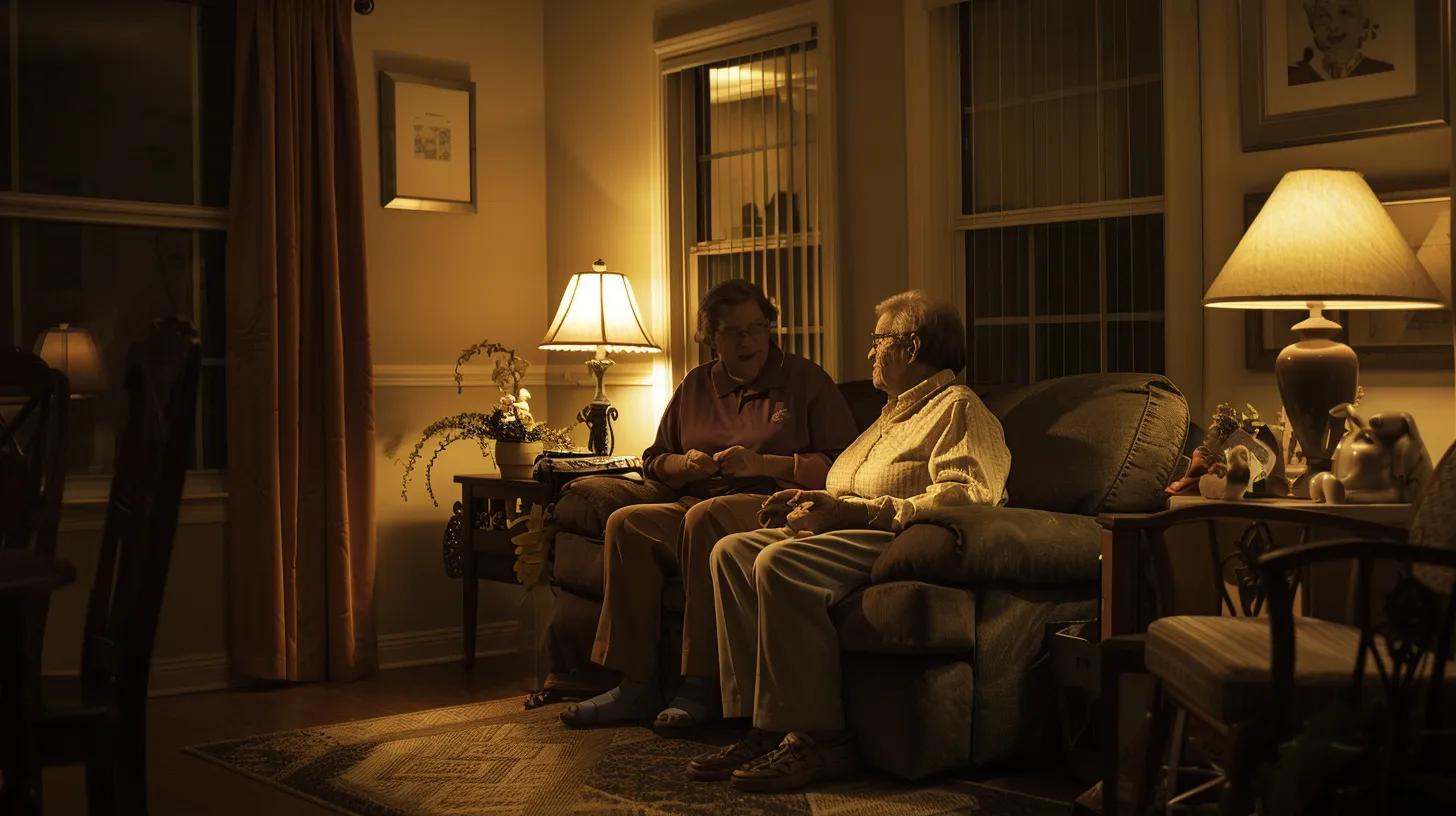
Financial planning is a critical component of managing 24-hour in-home care for elderly parents, particularly in regions like Cobb County where costs can vary widely. Both families and care providers must navigate through multiple payment structures, insurance policies, and potential financial assistance programs to ensure that continuous care remains sustainable in the long term. Balancing quality care with budget considerations involves a thorough understanding of costs and potential funding sources, from private insurance to Medicaid programs. This section outlines the expenses associated with around-the-clock care and explores strategies to manage these costs effectively, ensuring that high-quality care does not become an unaffordable burden on families.
Understanding the Costs Associated With Around-the-Clock Care
Costs for 24-hour home care can include a variety of charges such as caregiver fees, administrative fees, and additional expenses for specialized services like medication management or physical therapy. These costs are influenced by factors such as the caregiver’s qualifications, location, and the complexity of the care required. On average, the expense of round-the-clock care in Cobb County can range significantly, and families need to assess whether they will opt for in-home care on a full-time basis or if they might alternate with respite care services. Understanding the cost breakdown—including hourly rates, overnight premiums, and additional charges for medical supplies—is crucial for setting a realistic care budget. Detailed cost estimates from different providers can assist in comparisons and ensure that families receive transparent pricing without unexpected fees.
Exploring Payment Options and Insurance Coverage
Various payment options exist to help families manage the financial demands of 24-hour care. These include private pay, long-term care insurance, Medicaid, and sometimes Veterans Affairs benefits for eligible individuals. It is essential to review insurance policies carefully to understand what aspects of care are covered. In many cases, home care agencies also offer flexible payment plans or sliding scale fees based on income. Consulting with a financial advisor who specializes in senior care can provide guidance on eligible subsidies and potential tax deductions. Additionally, many home care agencies offer free consultations to help families understand and plan for their financial responsibilities, ensuring that the quality of care is not compromised by budget constraints.
Identifying Potential Financial Assistance Programs for Senior Care
Families should actively seek out local and national programs that provide financial assistance for senior care services. Programs might include state-sponsored Medicaid initiatives, grants available through local government agencies, and support from nonprofit organizations focused on elder care. In Cobb County, several resources can be leveraged to offset some of the expenses associated with round-the-clock care. These programs not only help reduce the out-of-pocket financial burden but also give families peace of mind knowing that their loved ones are receiving high-quality care without compromising financial stability. The integration of financial/medicaid benefits, along with guidance from a senior living advisor, can help streamline the process of funding 24-hour care, ensuring that families explore every available avenue to secure support.
Long-Term Financial Strategies for Sustaining In-Home Care
Planning for long-term care is not just about immediate costs; it requires a strategic approach to future expenses. Establishing a budget that factors in potential medical emergencies, escalating care needs, and inflation can save families stress and unexpected costs in the future. Long-term financial planning might also involve setting aside a dedicated fund for elder care or exploring annuities and other financial products designed to cover extensive care services. Families are encouraged to work closely with financial planners to develop strategies that match their current financial capabilities with potential future needs. By investing time into understanding and planning for the costs of 24-hour home care, families can avoid sudden financial crises and focus on ensuring the ongoing well-being of their elderly parents.
Consulting With Financial Advisors for Elder Care Planning
Professional advice can be crucial in navigating the complex financial landscape of elder care. A financial advisor with expertise in healthcare and senior services can help outline available options and tailor a plan to meet both immediate and long-term care needs. These professionals can provide insight into optimizing insurance benefits, managing tax implications, and identifying hidden costs that may arise over time. Regular consultations ensure that the care plan remains aligned with the family’s financial situation and adapt to changes over time. Engaging experts not only offers a clearer picture of the financial requirements but also reassures families that every expense is justified by a corresponding benefit in the quality of care provided.
Key Takeaways: – 24-hour care costs include caregiver fees, administrative, and special service charges. – Multiple payment options are available, including insurance, Medicaid, and flexible payment plans. – Local financial assistance programs can help offset care expenses. – Long-term planning prevents unexpected financial crises. – Professional financial advice is crucial for sustaining comprehensive home care.
Frequently Asked Questions
Q: How do I know if my elderly parent needs 24-hour home care?
A: Look for indicators such as frequent falls, difficulty with daily activities (bathing, dressing, cooking), memory lapses, and overall decline in physical and cognitive functions. Such signs suggest that the level of supervision required exceeds what family members can provide.
Q: What are the main differences between overnight care and live-in care?
A: Overnight care typically covers the hours when the senior is most vulnerable, often from dusk until dawn, while live-in care provides consistent 24-hour support. Live-in care is usually more suitable for seniors with advanced medical needs or those requiring comprehensive daily and nighttime supervision.
Q: How can aging in place benefit my elderly parent?
A: Aging in place allows seniors to remain in the familiar, comfortable settings of their own home, which can significantly improve their emotional and mental well-being. It also enables caregivers to provide personalized, continuous care that respects the individual’s routines and preferences.
Q: What should I consider when choosing a home care provider in Kennesaw?
A: Key factors include the provider’s licensing and certifications, caregiver qualifications, reputation in the community, the flexibility of care plans, communication practices, and transparent cost structures. Free consultations can also help you assess whether the provider meets your family’s specific needs.
Q: How can I financially plan for 24-hour home care?
A: Start by understanding all associated costs, explore payment options such as insurance and Medicaid, and consider financial assistance programs. Long-term financial planning, including regular consultations with a financial advisor, can help you establish a sustainable budget that covers both current and future expenses.
Q: Is it possible to try a 24-hour care service on a trial basis?
A: Yes, many home care agencies offer trial periods or short-term arrangements to allow families and seniors to adjust to the new care arrangement before committing long-term. This trial period can also help fine-tune the care plan to better suit the senior’s needs.
Final Thoughts
24-hour in-home care services offer Kennesaw families a valuable resource that ensures elderly parents remain safe, supported, and comfortable within their own homes. By addressing daily living challenges, managing medical needs, and providing emotional support and companionship, these services significantly enhance quality of life. Families can find reassurance in knowing that professional caregivers will deliver compassionate, personalized care, allowing both seniors and caregivers to enjoy a better balance. As the demand for empathetic, continuous home care grows, exploring these services is essential for achieving the best outcomes for elderly parents.
If you or a loved one is in need of reliable in-home care in Kennesaw or Cobb County, Assisting Hands® Kennesaw is here to help. Whether it’s companion care, personal care, or support following surgery or hospitalization, you can trust their experienced team to provide peace of mind and dependable care. Call (678) 940-5448 to speak with a care coordinator or easily schedule a free in-home consultation online by clicking “Schedule a Free Consultation.” Experience the trusted care you or your loved one deserve—right at home.