Table of Content
Love alone cannot manage dementia safely because the disease causes complex medical, behavioral, and physical changes that require professional healthcare expertise and specialized environments. While affection and dedication are vital for a senior’s emotional wellbeing, relying solely on good intentions often leaves both the caregiver and the senior loved one vulnerable to accidents and burnout. Understanding the practical limitations of family caregiving is the first step toward securing the comprehensive support your loved one truly needs.
What Health Complications Require Professional Oversight?
Dementia is a progressive neurological disease that brings a host of unpredictable health challenges. Family members usually lack the clinical training to monitor medication interactions, recognize the early signs of secondary infections, or safely manage severe physical decline. Complications could include:
- Difficulty swallowing (dysphagia) leading to choking or aspiration pneumonia
- Unmanaged pain due to the inability to accurately communicate discomfort
- Mobility issues requiring specialized lifting equipment and physical therapy
How Do Behavioral Changes Compromise Home Safety?
As dementia damages the brain, seniors often exhibit behaviors that transform a standard home into a highly dangerous environment. Affection cannot stop your loved one from wandering outdoors in the middle of the night or accidentally leaving the stove turned on. Managing these risks demands specialized locks, constant awake supervision, and professional de-escalation techniques when your loved one becomes unexpectedly aggressive or confused.
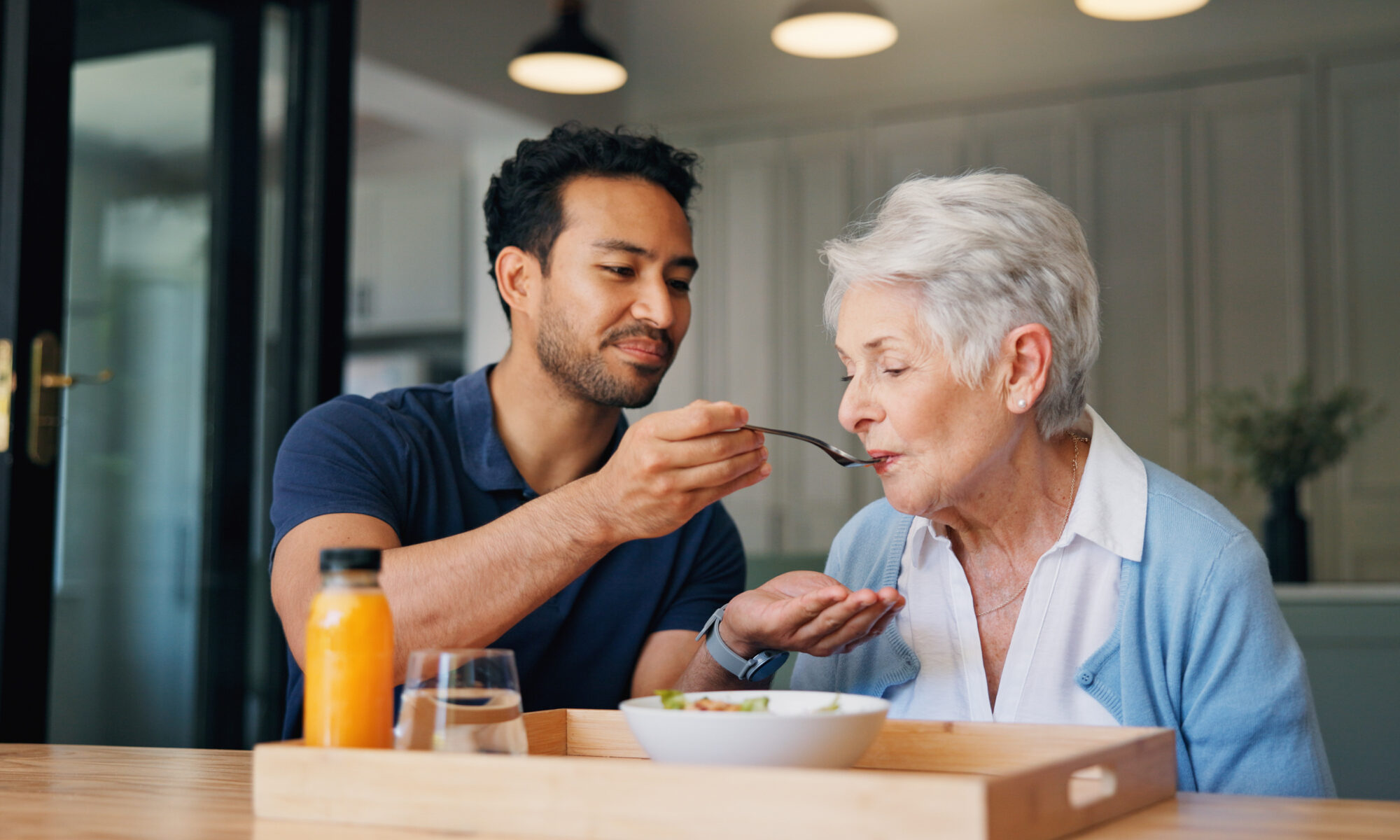
Caring for seniors with dementia can be challenging for family caregivers. Luckily, there is dementia care Kennesaw families can rely on. Professional dementia caregivers help seniors with dementia stay safe and comfortable at home by preventing wandering, providing cognitive stimulation, and assisting with household chores.
Why Does Caregiver Burnout Put Loved Ones with Dementia at Risk?
Providing around-the-clock dementia care is physically and emotionally exhausting, inevitably leading to severe caregiver burnout. When family members are sleep-deprived and overwhelmed, their reaction times slow down and their capacity for patience decreases. This exhaustion increases the likelihood of accidental neglect, medication errors, and unsafe handling during daily physical tasks like bathing or transferring your loved one from a bed to a chair.
Respite, live-in, and overnight home care are a great source of help for many Kennesaw families. Caring for a senior loved one can be overwhelming at times, which puts family caregivers at risk for burnout. However, an in-home caregiver can take over your loved one’s care, allowing you the time you need to focus on your own health, maintain a full-time job, or care for other members of your family.
What Specialized Environmental Adaptations Are Necessary?
A standard residential home is rarely equipped to handle the spatial, visual, and cognitive needs of someone in the middle to late stages of dementia. Professional caregivers understand how to reduce confusion and prevent severe injuries. Adaptation may include:
- Color-coded hallways and visual cues to assist with navigation
- Enclosed, secure outdoor areas for safe wandering
- Bathrooms modified with commercial-grade anti-slip floors, shower chairs, and strategically placed grab bars
The type of home care Kennesaw seniors need can vary. Some need assistance a few hours a day, while others require more extensive around-the-clock assistance. At Assisting Hands Home Care, we tailor our care plans based on each senior’s individual care needs, and the plans can be adjusted at any time. We are a trusted provider of respite and 24-hour care, and we also offer specialized Alzheimer’s, dementia, Parkinson’s, and stroke care for seniors. Call us today to create a customized in-home care plan.
Frequently Asked Questions
Can hiring an in-home caregiver replace a dedicated memory care unit?
+
In-home caregivers can provide excellent support, help the client navigate the safety hazards of a standard house, and provide 24/7 supervision.
Does placing a family member in professional care mean I failed him or her?
+
Absolutely not. Transitioning to professional home care means you’re prioritizing your loved one’s safety and overall quality of life over your own physical and emotional limitations.
How does dementia affect a person’s ability to communicate pain?
+
As dementia progresses, individuals lose the language skills required to express physical discomfort, often displaying pain through sudden behavioral changes, withdrawal, or severe agitation instead.